

As solar energy continues to grow rapidly around the world, more households and businesses are installing photovoltaic (PV) systems to reduce electricity costs and increase energy independence. However, the type of inverter used in a solar system must match the structure of the local electrical grid. In regions where split-phase power systems are used, traditional single-phase inverters may not fully meet the power requirements of modern homes. This is why split phase solar inverters have become an important solution for many residential and small commercial solar installations.
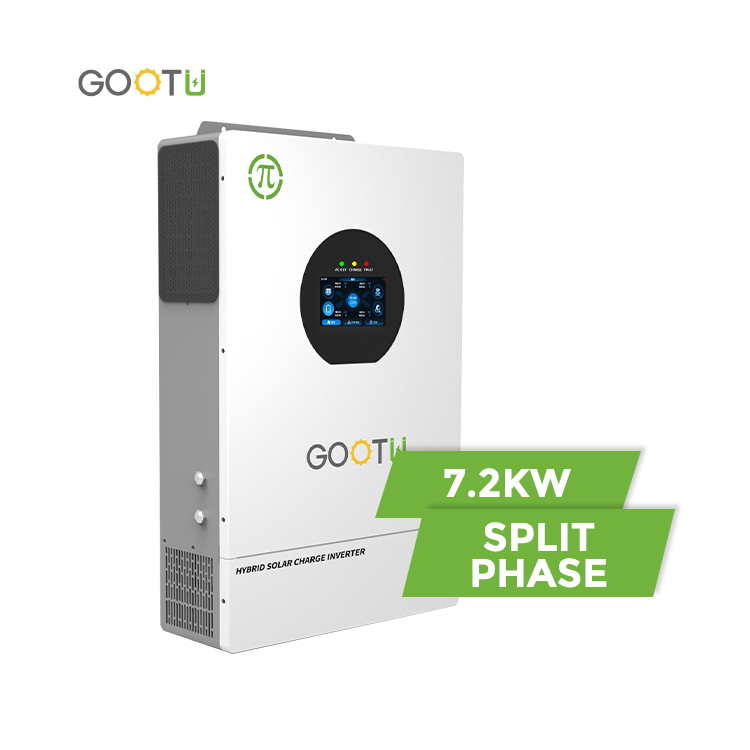
Understanding Split-Phase Power Systems
A split-phase electrical system is commonly used in countries such as the United States, Canada, and parts of Central and South America. In this system, electricity is supplied through two 120V lines that are 180 degrees out of phase. Each line provides 120V, while the voltage between the two lines reaches 240V.
This structure allows households to power both low-voltage and high-power appliances at the same time. For example:
120V circuits are typically used for lighting, televisions, computers, and other household electronics.
240V circuits are used for higher-power equipment such as air conditioners, water
heaters, electric ovens, dryers, and pumps.
Because homes depend on both voltage levels, solar systems in these regions must be capable of providing both 120V and 240V output. A split-phase solar inverter is designed specifically to meet this requirement.
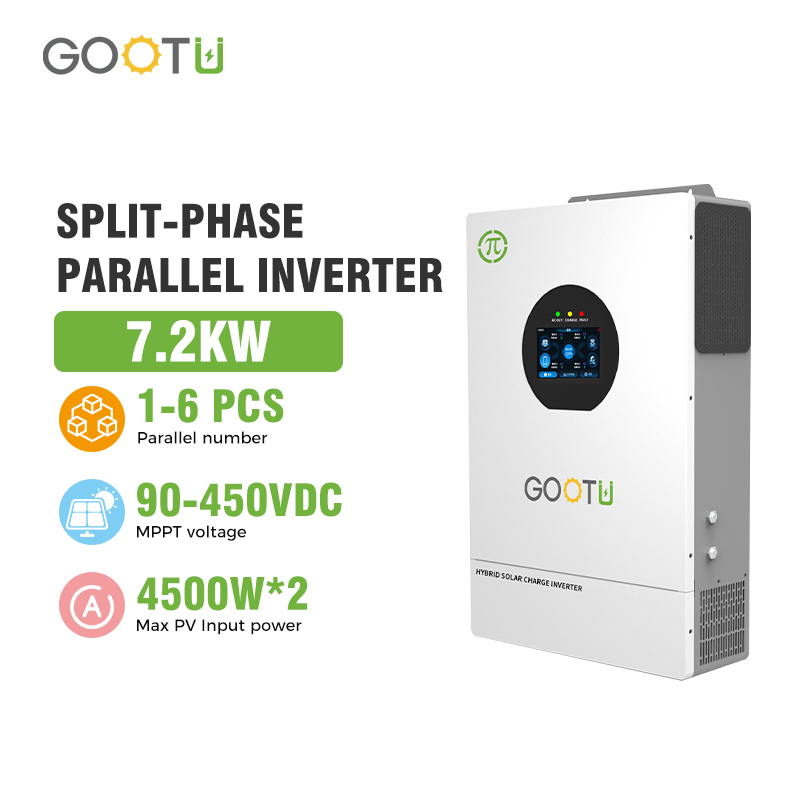
Limitations of Standard Solar Inverters
Traditional single-phase inverters are designed for regions where residential electricity is supplied at a single voltage level, such as 220V or 230V. While these inverters work well in those markets, they can face limitations in split-phase power systems.
First, standard inverters may not be able to directly power 240V appliances, which are common in North American households. Without split-phase capability, additional transformers or complex wiring solutions may be required, increasing installation costs and reducing system efficiency.
Second, household electrical panels in split-phase systems distribute loads across two circuits. Using an inverter that does not match this structure may cause load imbalance or limited compatibility with certain appliances.
These challenges make it necessary to use inverter technology that is specifically designed for split-phase power systems.
Key Advantages of Split Phase Solar Inverters
Split-phase solar inverters offer several important benefits that make them ideal for residential solar installations in these regions.
1. Compatibility with Household Electrical Systems
One of the main advantages of split-phase inverters is their ability to integrate seamlessly with existing electrical panels. Since many homes already use a 120/240V distribution system, these inverters can connect directly without major electrical modifications.
2. Support for Both 120V and 240V Loads
Split-phase solar inverters can supply power to both standard household electronics and high-power appliances at the same time. This makes them suitable for homes with large energy demands, including air conditioning systems, electric heating, or water pumps.
3. Improved Energy Distribution
By delivering balanced power across two phases, split-phase inverters help maintain stable energy distribution in the home. This improves system efficiency and reduces stress on electrical components.
4. Integration with Battery Storage
Many modern split-phase inverters are designed as hybrid systems, meaning they can work with battery storage. This allows excess solar energy generated during the day to be stored and used at night or during power outages, providing greater energy security.

Growing Demand in the Solar Market
As residential solar installations increase, the demand for split-phase solar inverters continues to grow, especially in markets where 120/240V electrical systems are common. In addition to North America, some off-grid and rural electrification projects also use split-phase systems because they allow both standard household loads and high-power equipment to operate from the same solar setup.
With the rise of home energy storage systems, smart homes, and electric vehicles, energy consumption patterns are also changing. Split-phase hybrid inverters provide the flexibility needed to manage these evolving power demands.

Conclusion
Split-phase solar inverters play a critical role in regions where 120/240V electrical systems are used. By providing dual-phase output, they allow solar systems to power both standard household devices and high-power appliances while maintaining compatibility with existing electrical infrastructure.
Compared with traditional single-phase inverters, split-phase technology offers better flexibility, improved energy distribution, and stronger integration with modern energy storage systems. As solar adoption continues to grow and energy systems become more intelligent, split-phase solar inverters will remain an essential component of reliable and efficient residential solar solutions.
For homeowners and installers looking to maximize the benefits of solar power, choosing the right inverter technology is key—and in split-phase power systems, a split-phase solar inverter is often the ideal choice.