

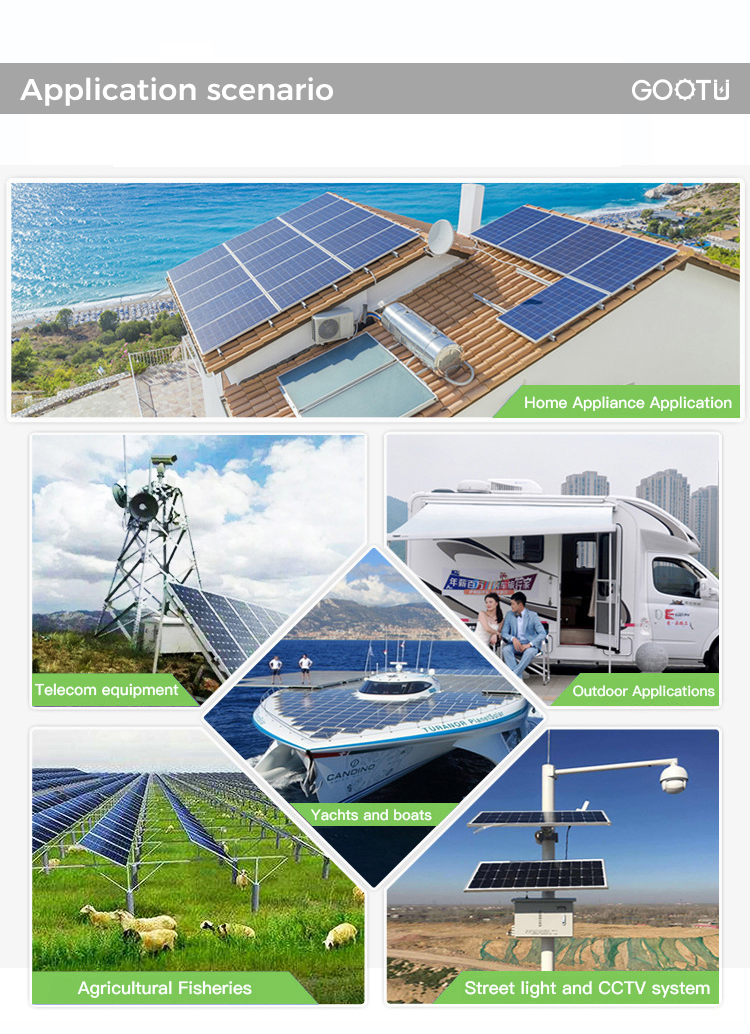
The main factors to consider when choosing an inverter include application scenarios, output power requirements, voltage types, and compatibility with energy storage systems.
Choice of hybrid inverters and energy storage inverters
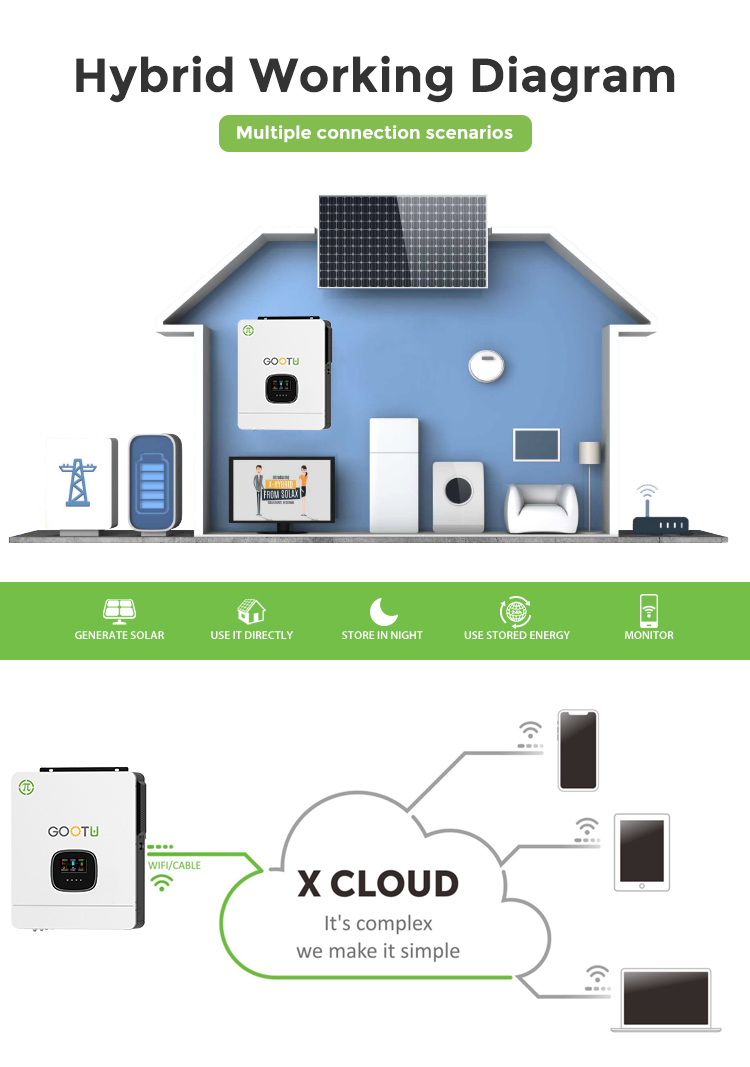
Hybrid solar inverters: Suitable for families who install a complete set of photovoltaic and storage equipment from scratch, or families who only need some functions temporarily but will consider installing a complete system in the future. Hybrid inverters have the most complete functions and can directly connect to photovoltaics, power grids, batteries, and loads to coordinate and control the entire system.
Energy storage inverter: Also known as a bidirectional converter, it is suitable for customers who have already installed a photovoltaic system and can be easily added to the original system through AC coupling. Energy storage inverter is suitable for adding energy storage system to the original photovoltaic system.
Choice of off grid and grid-connected inverters
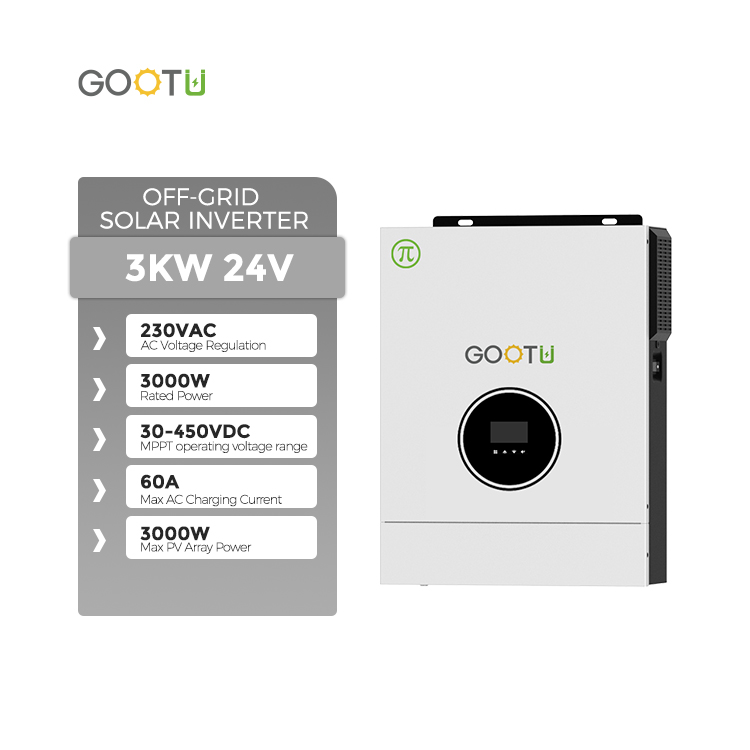
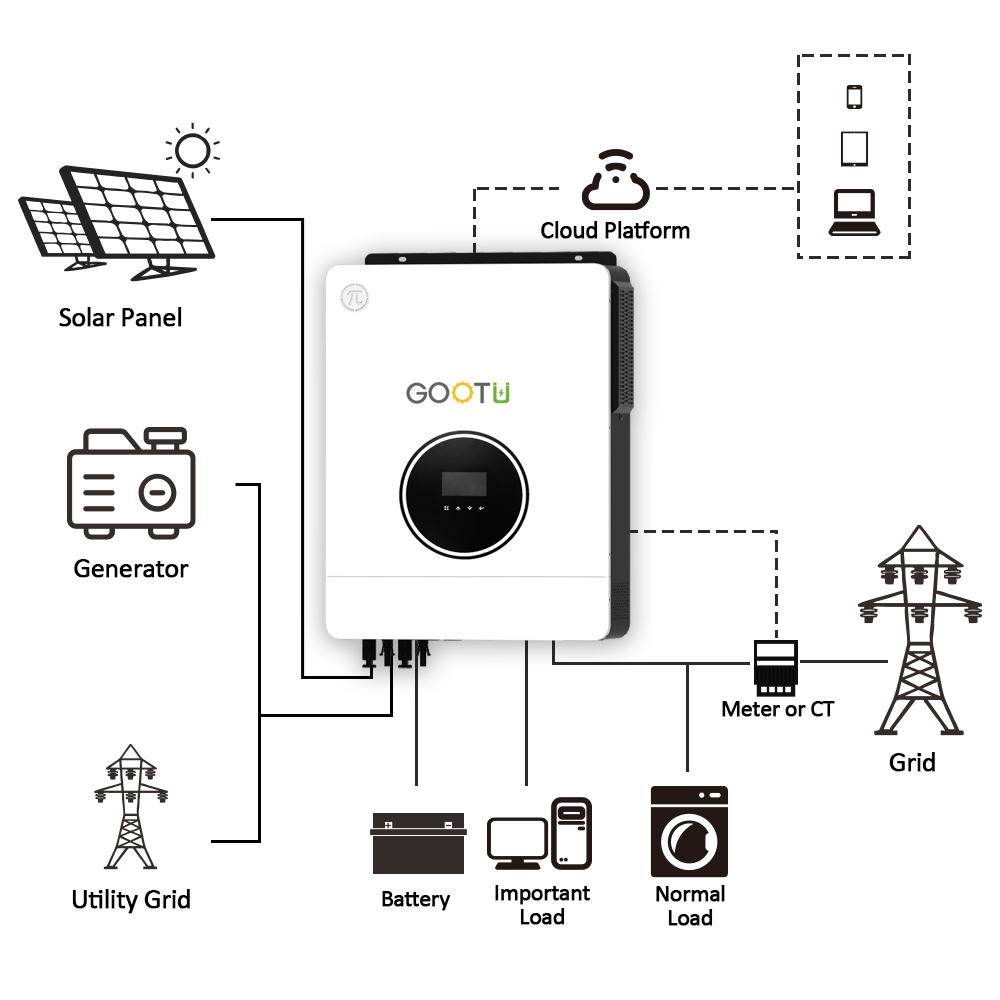
Off grid inverters: Suitable for remote areas without power grids or scenarios that require independent operation. Off-grid systems are completely independent of the power grid and operate independently, so the inverter does not need to have grid-connected functions.
Grid-connected inverter: Suitable for households that need to be connected to the power grid. Grid-connected systems need to draw power from the power grid or even send power in reverse, so there are more safety protection requirements and technical standards. The power grid conditions in different countries and regions are different. When choosing, you need to consider the local power grid type and certification requirements.
Choice between single phase and three phase inverters
Single phase inverter: Suitable for small systems with an output power of no more than 10kW, suitable for home or small commercial applications. Single-phase inverters have a low design cost and are suitable for scenarios with limited budgets.
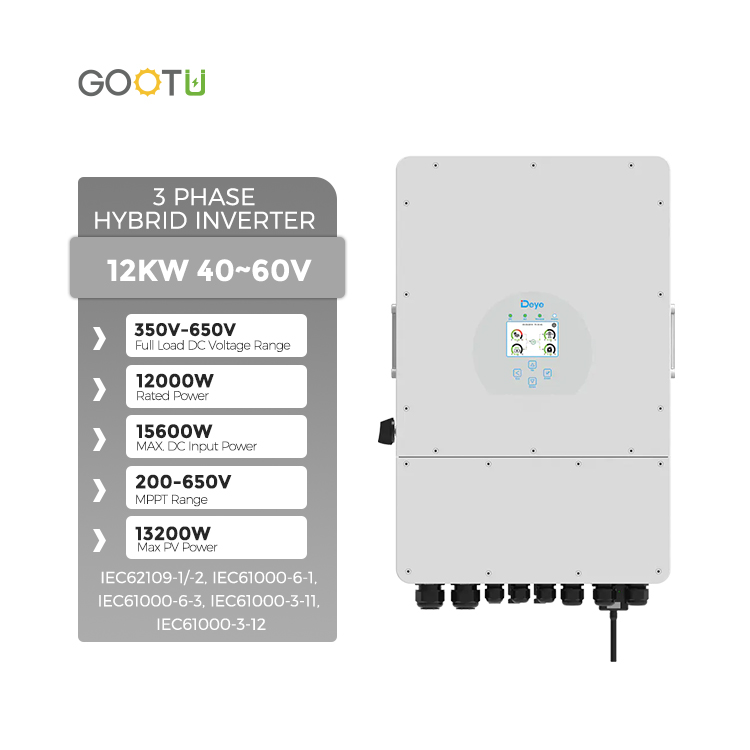 The choice between single phase and three phase inverters depends not only on the power requirements, but also on the nature of the connected loads and the overall electrical infrastructure at the installation site.
 In conclusion, inverter selection should be based on a careful assessment of your specific situation, including your energy production and consumption patterns, whether you have an existing grid connection or require an off-grid solution, and the size and nature of your electrical loads. By considering all of these factors, you can make an informed decision and select the inverter that best suits your needs, ensuring reliable, efficient power conversion and management for your specific application.
Three phase inverter: Suitable for large systems with an output power of several hundred kW or more, mainly used in industrial and commercial fields. Three-phase inverters have high output power and high efficiency, but they are more expensive and larger in size.