

The Hybrid Solar Inverter is an indispensable key device in the solar power generation system, which can convert direct current into alternating current. There are many ways to classify inverters. According to the application scenarios of photovoltaic power generation, they can be mainly divided into off-grid inverters, grid-connected inverters and off-grid hybrid inverters. Today, GOOTU focuses on telling you about off-grid hybrid inverters.
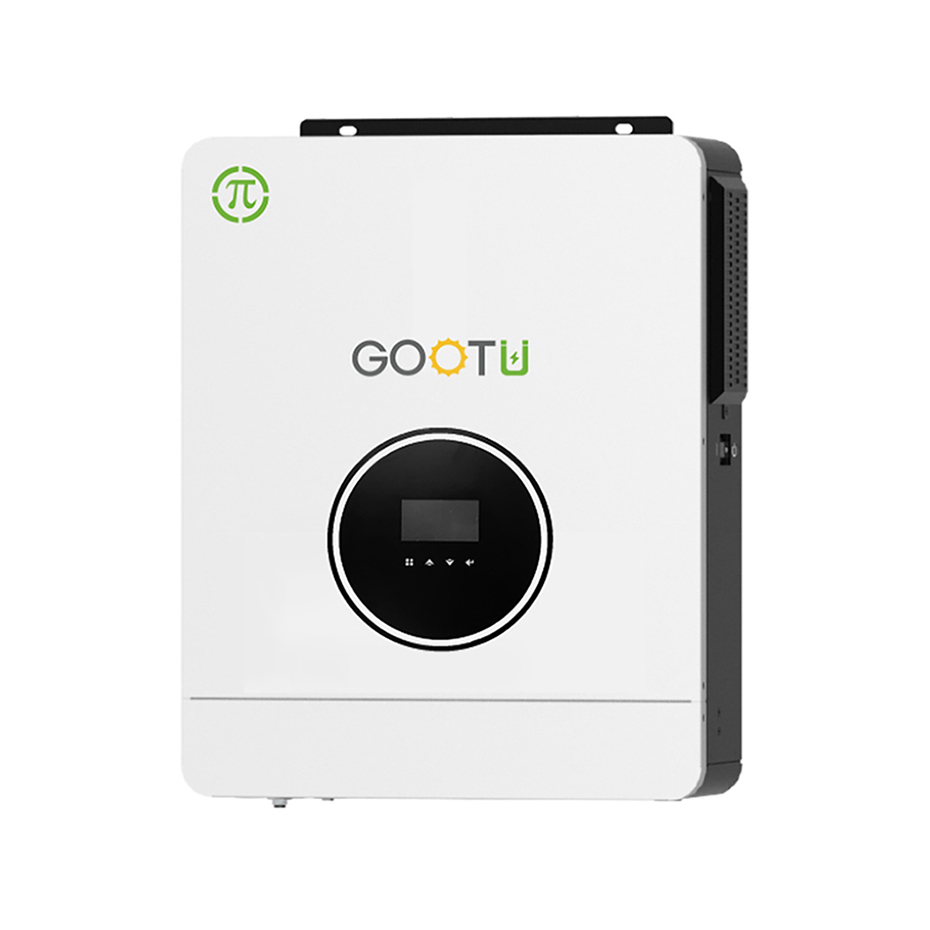
So what is an Off Grid Single Phase Solar Inverter? It combines the functions of off-grid inverters and grid-connected inverters. It can not only convert the direct current generated by solar panels into alternating current for use, but also convert the power of the grid into direct current for storage, so that the solar power generation system can switch between off-grid and grid-connected operation modes.
This Off Grid Solar Inverter has the characteristics of bidirectional current flow, which can achieve the complementarity and switching of solar energy and the grid to meet the needs of different loads, and then realize self-generation and self-use, surplus power to the grid, so that photovoltaic power generation can be maximized. Its advantage is that when there is power supply from the grid, it can realize dual power supply from solar energy and the grid, improve energy utilization efficiency, and can also use the energy storage function to supply backup power during power outages.
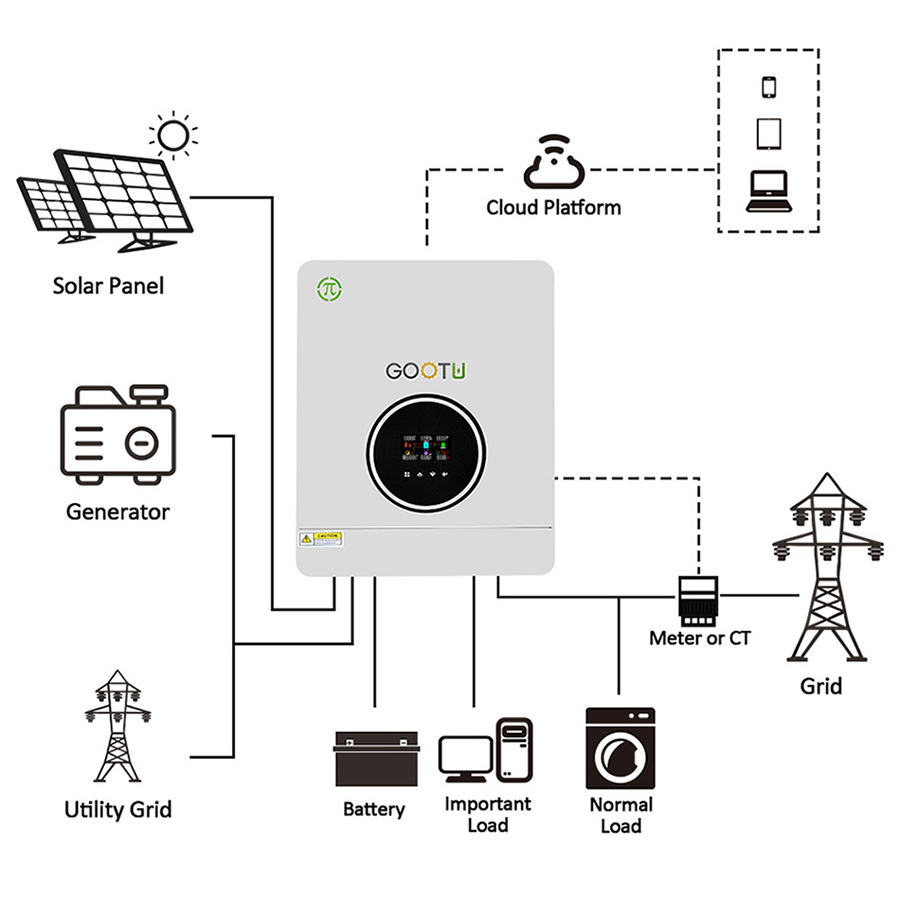 Off-grid hybrid inverters are very suitable for areas with unstable power. They can provide stable power with the energy storage function to ensure the normal operation of load equipment. For example, rural households can not only meet their own electricity needs, but also sell excess stored power to the grid, which not only ensures their own power supply, but also earns profits.
There are many benefits to choosing an off-grid hybrid inverter. It has a wide range of adaptability and can be applied to off-grid and grid-connected photovoltaic power generation systems, with a wider range of applications; it has high flexibility and can switch between grid-connected and off-grid modes according to the power supply situation of the grid and user needs; it has high inverter efficiency and low loss, and can operate stably under different voltage and frequency conditions;
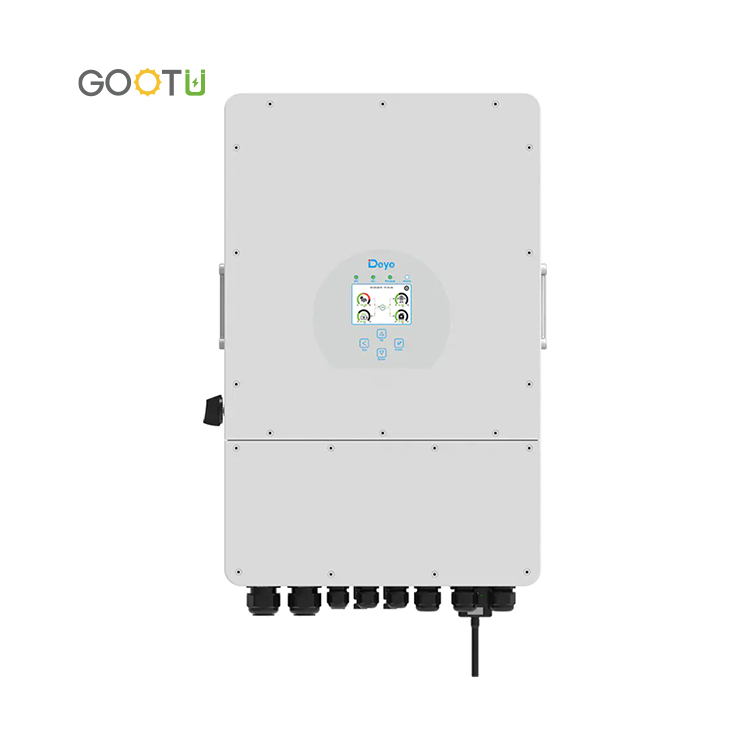
It can "cut peaks and fill valleys" Earn profits. During the valley period when electricity prices are low, the city power charges the battery through the inverter. During the peak period when electricity prices are high, the inverter outputs full power, and the battery power feeds the city power after meeting the load demand, which not only reduces the pressure on the city power, but also allows users to obtain the peak-valley price difference of electricity charges;
It can make full use of photovoltaic energy. Regardless of the mode, photovoltaic energy is used first. When it is insufficient, it is supplemented by the city power or battery. If there is excess photovoltaic energy, it is stored or connected to the Internet, so as to maximize the utilization of photovoltaic power generation;
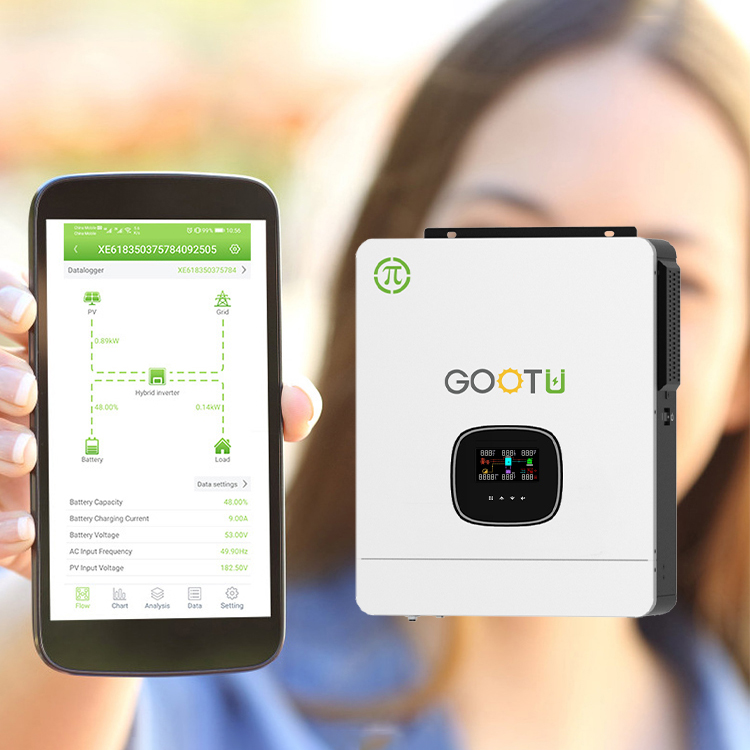
When the city power fails, it can automatically switch from the grid-connected mode to the off-grid mode. Solar energy continues to generate electricity to power the load, and the remaining photovoltaic energy is stored in the battery;
It also has an energy storage function, which can store the direct current generated by the photovoltaic panel in the battery, and convert it into alternating current for home or industrial use when needed. It is very important for off-grid systems and can ensure power supply during periods without sunshine or peak electricity consumption;
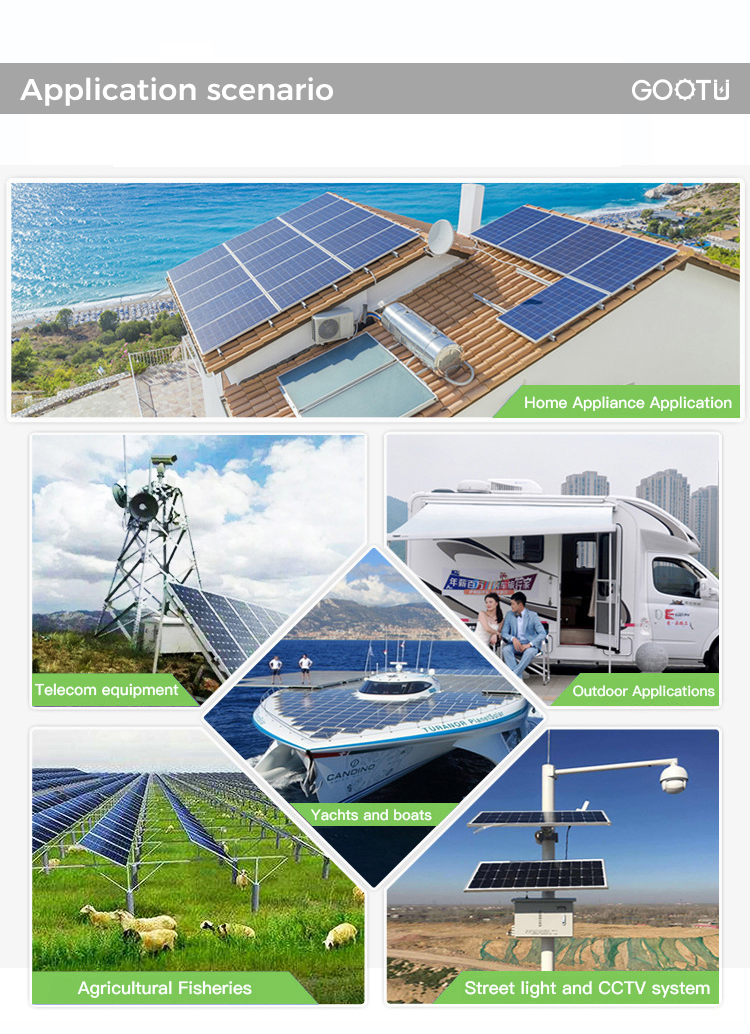
And it is environmentally friendly and energy-saving. It can maximize the use of solar energy resources, convert solar energy into usable electricity, reduce dependence on traditional energy, and reduce greenhouse gas emissions. It is of great significance to environmental protection and energy conservation.